Why Is It Not Enough to Just Look at the Checkout Screen When Choosing a POS System in Restaurants?
2026 guide for restaurant POS. Practical roadmap focused on reducing back office burden and increasing collection accuracy with Los Pos.
Los Pos Editors
Login
The invisible bottleneck in many businesses begins at this point. POS selection creates a greater operational cost than it seems, especially for restaurants, cafes, takeaways and multi-table businesses, as the decision is made only based on the speed visible on the front. The right setup on the POS selection side creates leverage to simultaneously reduce back-office burden, increase collection accuracy, and centralize restaurant data.
Especially in structures where the data flow spreads to more than one team, small delays create chain problems. This topic stands out especially in table management, kitchen flow, collection and end-of-day reports processes. As of 2026, managers will no longer only care about how the business is running, but also how quickly and cleanly the same data is reflected on sales, stock, current and report screens.
Where does the POS selection problem begin on the restaurant side?
When the correct setup is not established in POS selection processes, reducing the back office load, increasing collection accuracy and centralizing restaurant data are weakened at the same time. The result is often delayed decisions, inconsistent screens and staff dependency.
The real difference in restaurant management is not only in getting quick check-ins; It consists of being able to combine kitchen, stock, collection and cost information on the same day. Therefore, it is necessary to approach the issue as a business standard, not just a software feature.
Signals that management should recognize
- Service speed and stock and cost data remain in different worlds
- Table and order flow disrupts user experience during busy hours
- Keeping package service, campaign and loyalty data in separate systems
How do service, kitchen and finance meet in the same order?
Solid editing always starts with defining a process before choosing a screen. The first step is to clarify the screens, user roles and approval steps that come into contact with POS selection. The process is permanently improved when it is clear who produces and controls which data on the sales, accounting, warehouse and management side.
The second step is to simplify business rules. Especially in the processes of table management, kitchen flow, collection and end-of-day reports, the mandatory data set, automatic field filling, exception management and report connection should be described together. Otherwise, even good software cannot fix the messy operation on its own.
3-step plan for management
- Design service, kitchen, cash register and accounting steps in a single flow
- Connect product, recipe and campaign information to the same data model
- Evaluate daily reports with table turnover, product profitability and collections
What metrics should be tracked for profitability?
The way to measure improvement isn't just to get feedback from the team; are numerical indicators. When the processing time, error rate, number of delayed records and the rate of falling into the report are monitored together, the management side sees the real picture.
The most common mistake is to see restaurant software as just a service screen and underestimate the back office impact. When the process matures, managers use this data not only to read the past; It should be used to make more accurate purchasing, pricing, campaign, personnel plan and cash management decisions.
KPIs to track
- Average billing time and table turnover rate
- Product or category based gross profitability
- Rate of takeaway and lounge sales turning into collection
How to combine billing and accounting with Los Pos?
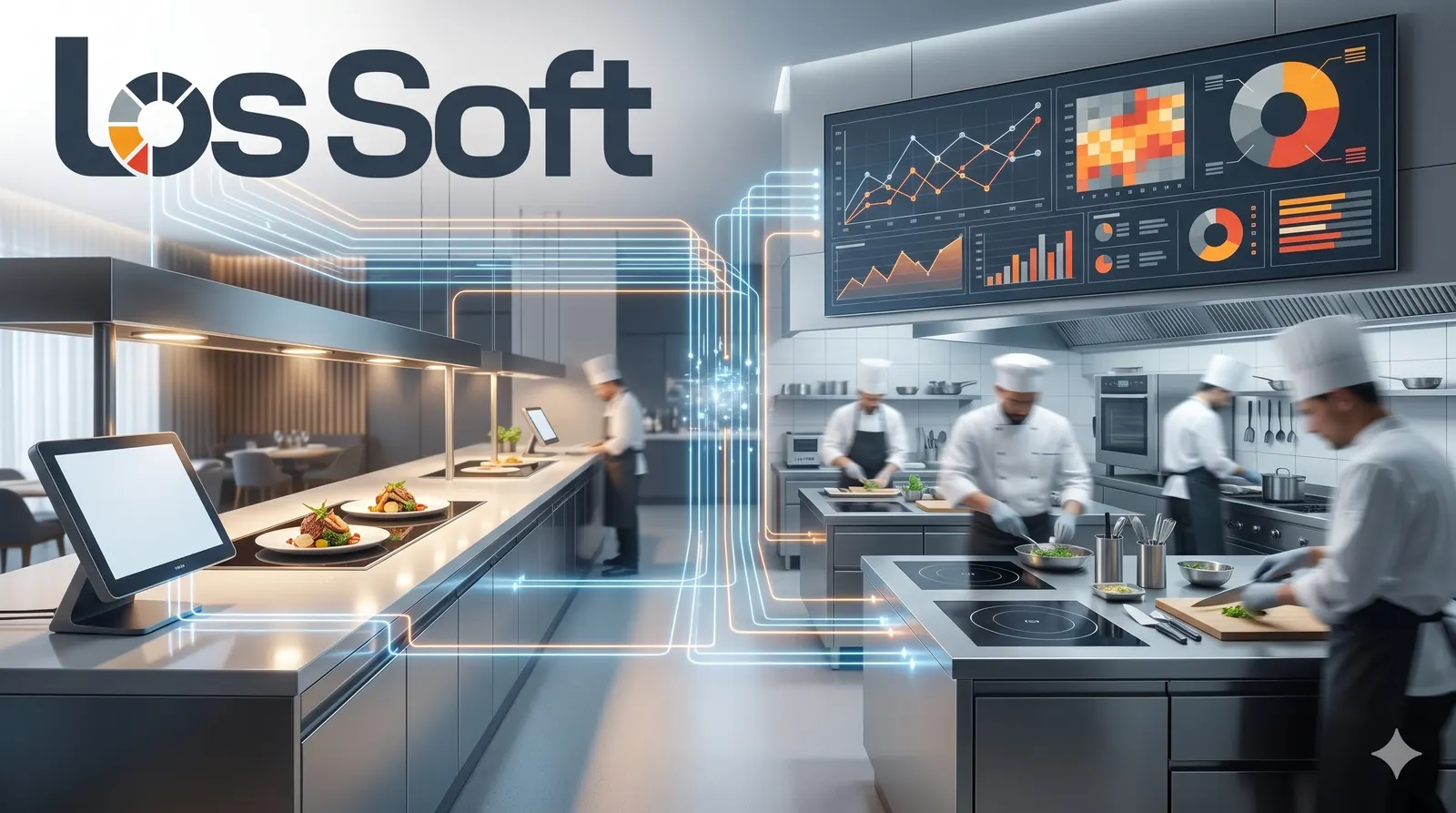
Los Pos does not treat this title as a stand-alone display property; It combines POS, accounting, stock, current, production and reporting modules in the same data flow. Thus, every action taken regarding POS selection is reflected in the rest of the business without delay.
Especially when the Billing screen, Stock and recipe module, Current-cash connection and Restaurant reports are used together, teams work with cleaner data on the same day. As a result, the operation is accelerated, management visibility increases, and the reward of the software investment is clearly felt in daily operation.
Modules that can be deployed on the Los Pos side
- Bill screen
- Stock and recipe module
- Current-cash connection
- Restaurant reports
The main goal of the Los Pos approach is to collect fragmented processes on a single screen and enable the manager to make faster and safer decisions.
---